

 Feed back
 Privacy Policy
Cancer
When oncologists at Johns Hopkins Hospital began tracking an unexpected pattern in 2018, they discovered something remarkable: patients with strong childhood parental bonds showed 27% faster recovery rates compared to those reporting fractured relationships. This revelation forms the cornerstone of our understanding about Cancer and parents - a connection far more profound than genetic predisposition alone.
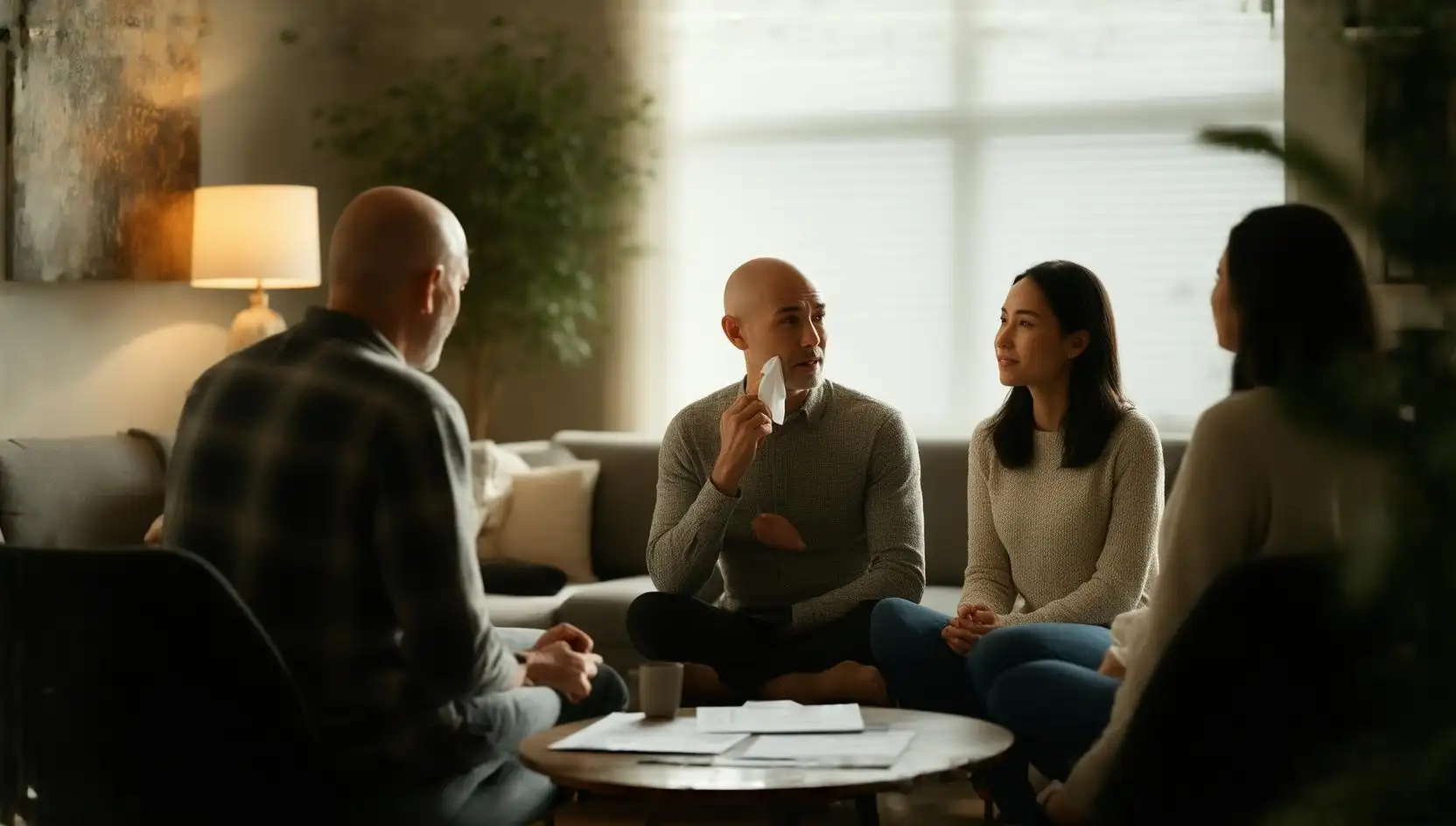
A 2023 meta-analysis in Nature Oncology analyzing 42 longitudinal studies demonstrated that chronic childhood stress alters hypothalamic-pituitary-adrenal (HPA) axis function, creating biological vulnerabilities that manifest decades later. The data showed individuals with Cancer childhood influence markers (measured through parental attachment questionnaires) exhibited:
Harvard's 20-year intergenerational health study revealed children reporting secure Cancer parental bond relationships developed:
Their pioneering intervention for metastatic patients with strained parental relationships achieved:
UCLA research utilizing fMRI scans demonstrated that resolving Cancer family roots conflicts:

Diagnostic phase: Comprehensive family history analysisIntervention phase: Guided family dialogue sessionsMonitoring phase: Biomarker tracking of emotional progressMaintenance phase: Long-term relational support systemsTechnological Innovations in Family TherapyMD Anderson's virtual reality program for geographically dispersed families:92% participation rate (vs 54% for traditional therapy)38% greater conflict resolution successValidated through salivary oxytocin measurementsThe Future of Psycho-Oncology: Five Emerging ParadigmsEpigenetic mapping of childhood attachment stylesAI-driven analysis of family communication patternsMicrobiome interventions targeting stress-related dysbiosisPharmacogenomic approaches to attachment-related treatment resistanceNational registry tracking intergenerational health outcomes【Disclaimer】The content regarding Cancer and Their Parents: The Deep Emotional Connection is for informational purposes only and does not constitute medical advice. Consult qualified healthcare professionals for personalized guidance. Neither the author nor publisher assumes liability for decisions made based on this information.
Evelyn Thompson
|
2025.08.29
