

 Feed back
 Privacy Policy
Cancer
The emotional scars left by childhood cancer can profoundly shape adult relationships in ways many never anticipate. This in-depth exploration examines how Cancer childhood influence and Cancer memory impact fundamentally alter how survivors and children of cancer patients form emotional connections throughout their lives.
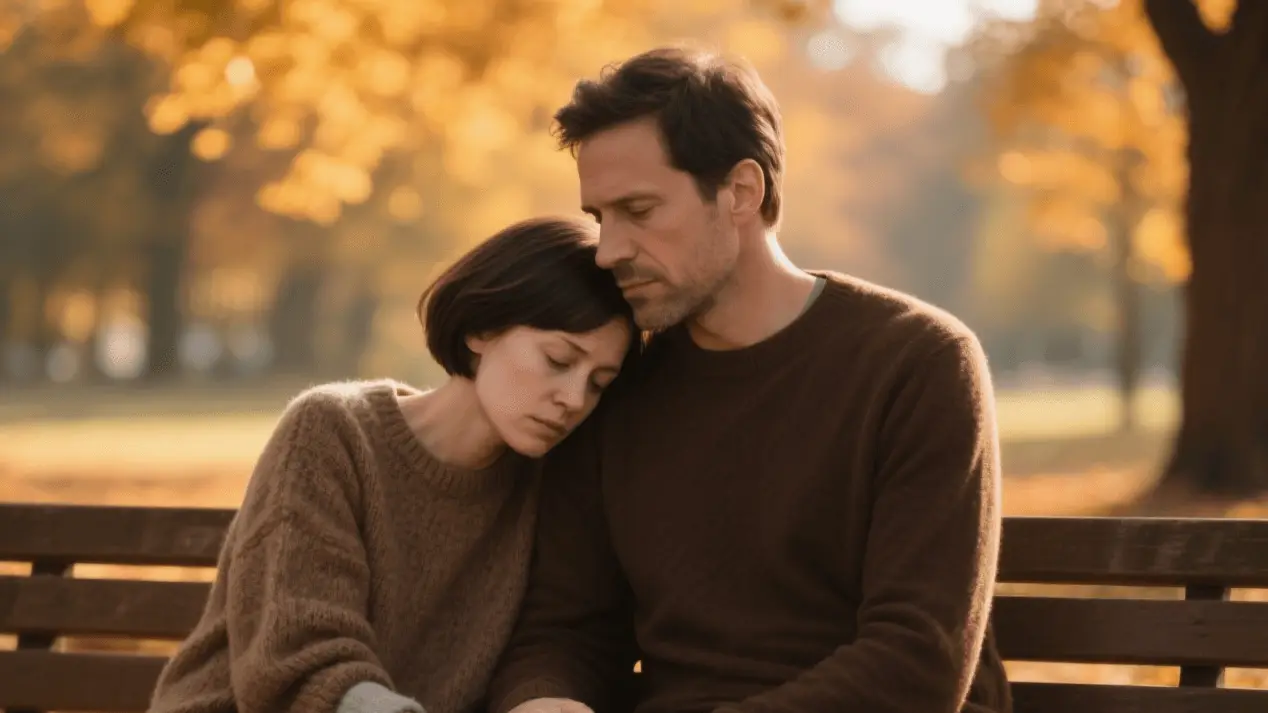
Surviving pediatric cancer creates an emotional landscape unlike any other childhood experience. The Cancer childhood influence manifests in complex ways - these children develop extraordinary resilience while simultaneously carrying deep emotional vulnerabilities. Consider Jessica, diagnosed with leukemia at age 7, who describes her adult relationships as "always waiting for the other shoe to drop." Her experience reflects how the Cancer memory impact fundamentally rewires expectations about stability and permanence in relationships.
A comprehensive 2022 study by the National Cancer Institute followed 15,000 childhood cancer survivors into adulthood, revealing startling statistics:
These quantitative findings confirm what clinicians have long observed - the Cancer childhood influence creates measurable impacts on adult bonding capacity.
The Cancer memory impact frequently surfaces as an unconscious expectation of loss. Michael, whose younger brother died from brain cancer when Michael was 14, describes his approach to love: "I either hold on too tight or not at all - there's no in-between." This dichotomy reflects how early trauma distorts normal attachment behaviors.
For adult children of cancer patients, Cancer family memories create unique challenges in trust development. The unpredictability of parental illness often leads to hypervigilance in adult relationships. Therapeutic approaches emphasizing earned secure attachment show particular promise in helping individuals overcome these patterns (American Psychological Association, 2023).
The protective walls built from Cancer childhood influence serve important survival functions initially. Clinical psychologist Dr. Emma Richardson explains: "These defense mechanisms saved them emotionally during treatment. The challenge becomes helping survivors recognize when those same protections now limit their happiness."
Evidence-based approaches show particular effectiveness:
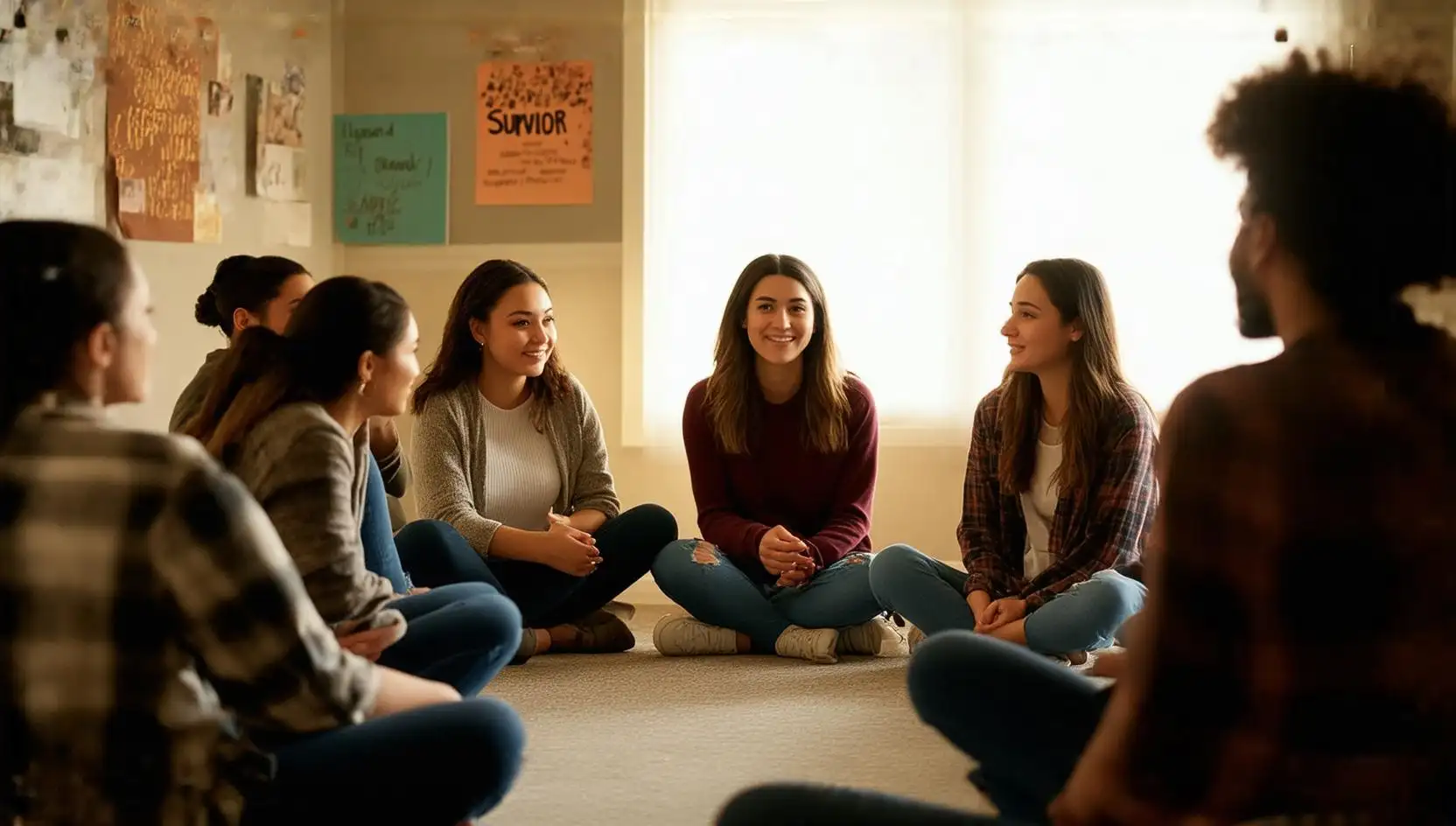
While Cancer childhood influence undoubtedly shapes relationship patterns, it doesn't have to determine them permanently. Through targeted interventions and increased understanding, survivors can develop secure, fulfilling connections that honor their past without being constrained by it. The journey requires patience and specialized support, but countless survivors prove daily that love can indeed flourish after cancer.
DISCLAIMER: The content regarding is provided for informational purposes only. It is not intended as professional advice. Readers should consult qualified specialists for guidance regarding their specific situations. The author and publisher disclaim any liability for decisions made based on this information.
Thompson
|
2025.08.29
