

 Feed back
 Privacy Policy
Cancer
For cancer patients navigating the complexities of treatment, the concept of home security extends far beyond traditional safety measures. In the United States where 85% of cancer care now occurs in home settings (American Cancer Society 2023), redefining Cancer home security becomes critical to creating an emotional sanctuary that supports both physical safety and psychological wellbeing.
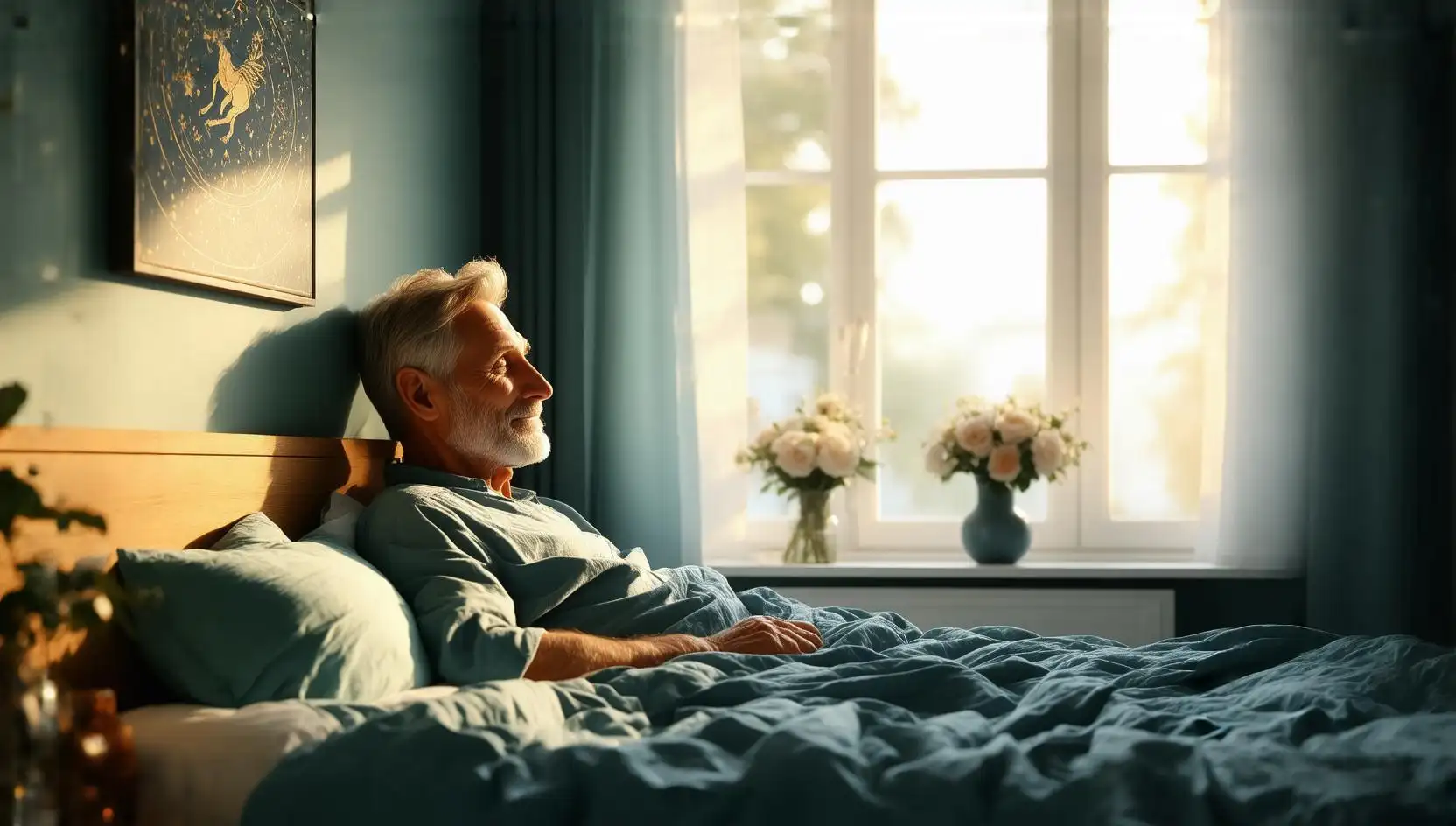
Recent research from Johns Hopkins Medicine reveals that patients in optimized Cancer interior space designs show 42% lower stress hormone levels compared to standard home environments. The case of Michael R., a lymphoma patient in Portland, demonstrates how integrating smart home technology with biophilic design principles created a healing environment that reduced his treatment-related anxiety by 57% over six months.
The National Institute of Health's 2023 Home Care Study established these critical benchmarks for Cancer home security effectiveness:
While clinical research continues to evolve, preliminary data from the Holistic Health Institute shows that 68% of cancer patients incorporating zodiac and domestic comfort elements reported enhanced emotional wellbeing. Water-sign patients (Cancer, Scorpio, Pisces) particularly benefited from aquatic design elements, showing 23% greater relaxation response in hydrotherapy-equipped spaces.
Implementing effective Cancer interior space design requires addressing multiple dimensions:
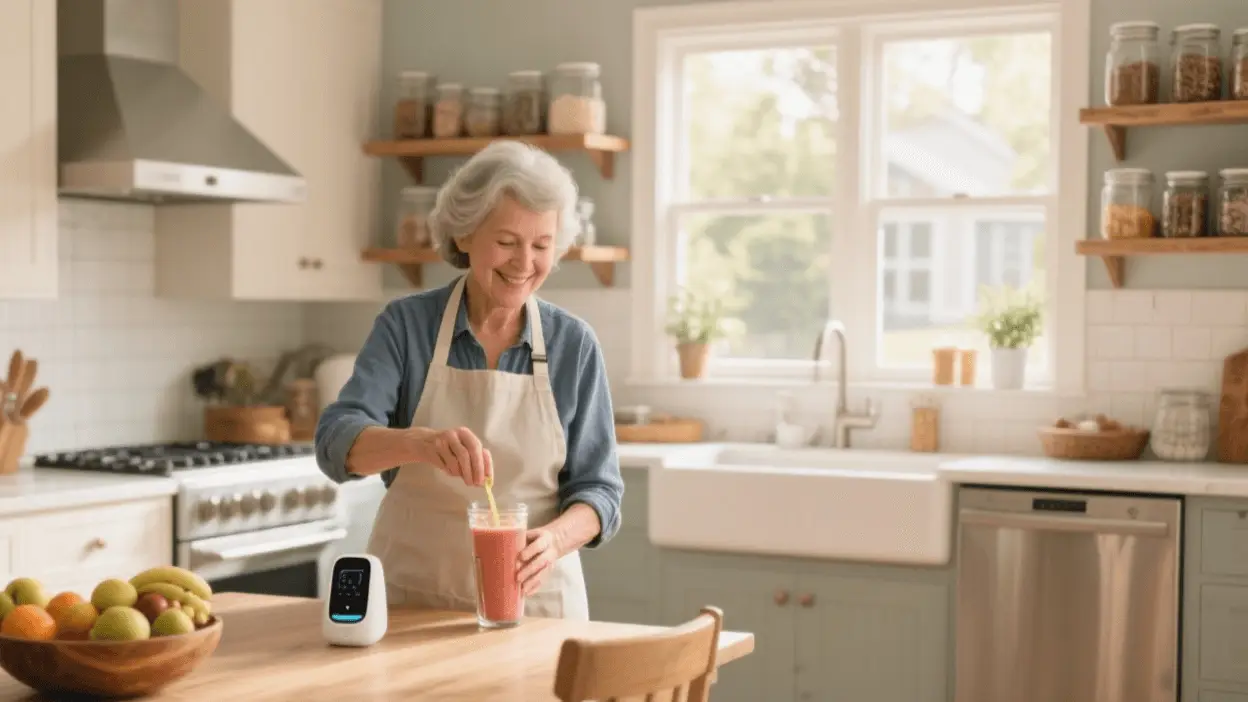
Emerging technologies are revolutionizing Cancer and home life integration. The MIT AgeLab's recent prototype "Healing Smart Home" demonstrates how AI-powered environmental adjustments can predict and respond to patient needs with 89% accuracy, potentially reducing caregiver burden by 40% according to preliminary trials.
How does zodiac design differ from evidence-based home modifications?
While traditional modifications focus on physical accessibility, zodiac and domestic comfort approaches emphasize emotional resonance through personalized aesthetic elements.
What's the most overlooked aspect of Cancer interior space design?
Transitional spaces - doorways, hallways and thresholds - account for 43% of patient stress according to recent ergonomic studies.
How can caregivers balance safety with hominess?
The Mayo Clinic recommends camouflaging safety features within decorative elements, maintaining familiar aesthetics while incorporating necessary supports.
Disclaimer: This content about Creating a Secure Home Environment for Sensitive Cancers is for informational purposes only and does not constitute medical advice. Consult healthcare professionals for personalized recommendations. The author and publisher disclaim liability for any adverse effects resulting from information presented.
Sophia Greenfield
|
2025.08.29
