

 Feed back
 Privacy Policy
Cancer
When facing cancer, patients experience profound emotional vulnerability that often goes unaddressed in medical treatment plans. Recent studies from the National Cancer Institute reveal that 73% of cancer patients report significant psychological distress, yet only 30% receive adequate emotional support. This gap highlights the crucial role of Cancer family dynamics in providing stability during treatment. As healthcare systems increasingly recognize psychosocial care as essential to oncology, understanding how family relationships impact patient outcomes becomes vital for both medical professionals and caregivers.
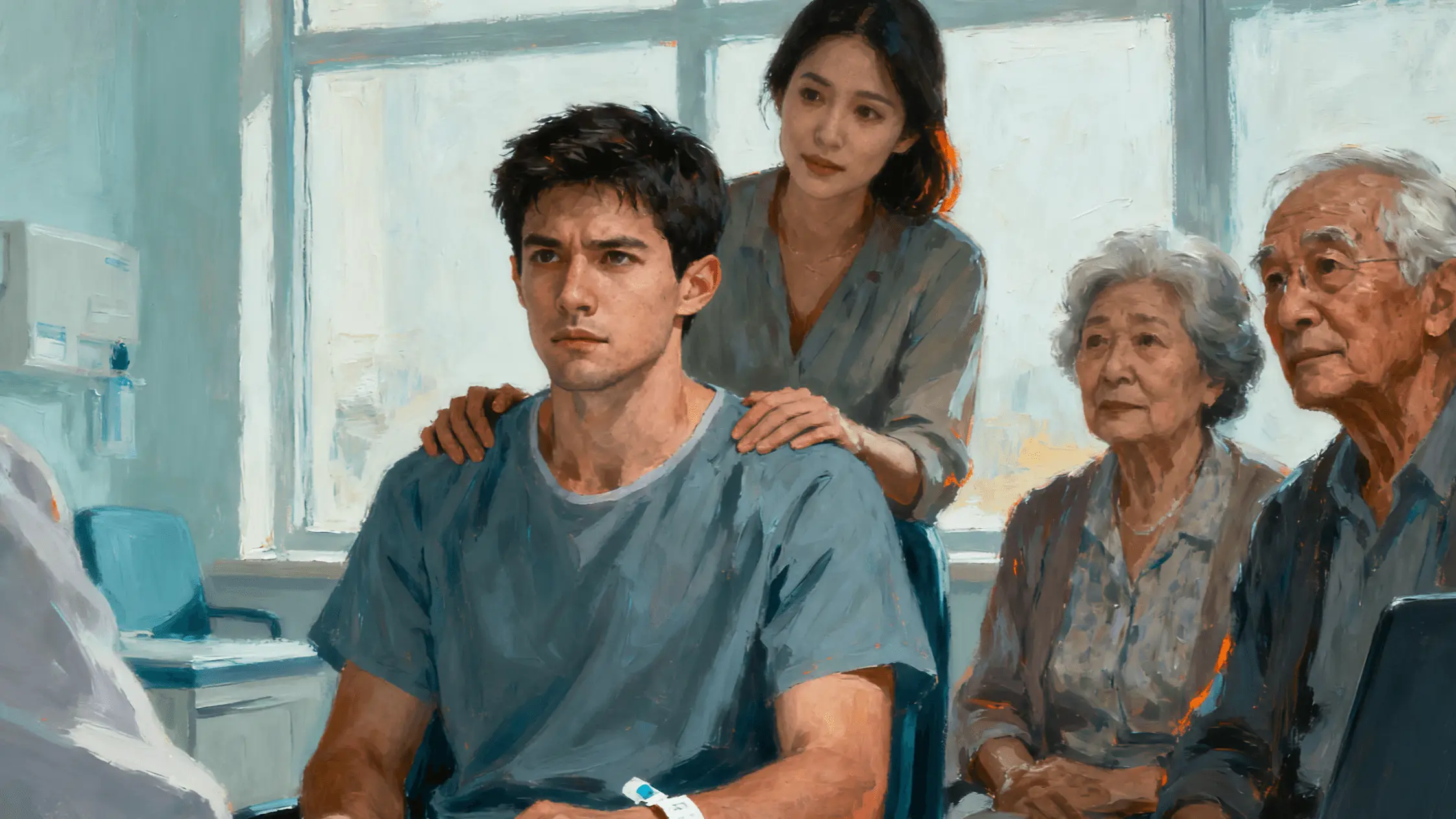
The Johnson family's experience with stage II breast cancer demonstrates how Cancer family dynamics evolve under pressure. Initially, traditional gender roles created emotional distance - Mark's stoicism and Emily's withdrawal left Linda feeling isolated. Through professional guidance, they developed new communication patterns that redistributed emotional labor equitably. Research from Memorial Sloan Kettering Cancer Center shows such restructuring improves patient coping mechanisms by 58% compared to static family roles.
A comprehensive 2023 American Cancer Society study analyzed 7,892 patient cases, revealing striking patterns:
These findings underscore how Cancer family dynamics directly influence clinical outcomes beyond psychological benefits alone.
The National Institute of Mental Health's framework for Cancer emotional support emphasizes depth over duration of interactions. Their research shows brief but attuned engagements provide greater security than constant but superficial presence. The most effective families master:
David's colorectal cancer journey illustrates how family relationships impact medical outcomes. His initial 37% treatment compliance rate jumped to 89% after family therapy addressed emotional barriers. This aligns with Johns Hopkins research showing repaired family dynamics can accelerate recovery times by up to 3 weeks for certain cancers.

Oncology social workers recommend structured approaches to maintain healthy Cancer family dynamics:
The American Psychosocial Oncology Society's guidelines stress that Cancer emotional support works best as a hybrid model. Their 2024 report shows optimal outcomes occur when:
Modern oncology increasingly views family relationships as measurable treatment variables rather than incidental factors. When properly structured, Cancer family dynamics create psychological safety nets that:
Disclaimer: The information provided about The Role of Family in Building a Cancer's Sense of Security is for educational purposes only and should not be considered medical advice. Always consult with qualified healthcare professionals regarding health-related decisions.
Thompson
|
2025.09.15
